
1 Micron Filtered Natural Seawater and Live Ulva for Research, Thailand
🌐 ไทย →
For plankton and algae research: 1 micron filtered natural seawater is available now; fresh live Ulva is coming soon. Email support@clearevo.com.
1 micron filtered natural seawater for sale
Price per lot: please contact support@clearevo.com. Free samples sent nationwide.
- Open Gulf of Thailand water from Sai Buri, Pattani, drawn from the open sea about 20-30 m out from a sandy beach. The water there is about 2 m deep, depending on tide and waves; the intake floats at about mid-depth under the buoy in the photos. Salinity swings within about 30 to 34 ppt.
- Settled in four 3,000 L tanks (12,000 L combined), then filtered fresh just before packing, so filtered water does not sit in a storage tank.
- After settling, the water passes two 5 micron filters, then a final 1 micron filter.
- Our own observation over a few months, not a controlled test: Ulva grown in this filtered water has had no shells or tubeworms growing on it.
- The brass fittings in the tank holes are sealed with epoxy on both the inside and the outside of each tank, applied from inside each empty tank before it was installed.
Note: the seawater is filtered only and not sterilised in any way, so it carries the bacteria and other microorganisms found naturally in seawater, which can pass a 1 micron filter.
Note: if your work needs sterile natural seawater, these algae culture collections publish methods along these lines: filter through a 0.2-0.45 µm membrane (or a 0.7 µm GF/F glass fibre filter), then autoclave at 121 °C for at least 15 minutes, longer for larger volumes (CSIRO: 15 minutes suits up to about 100 mL; 10 L may need over 60 minutes); cool quickly to limit precipitation, and leave it 1-2 days for CO₂ to re-equilibrate before use. By convention, 0.2 µm filtration alone excludes culturable bacteria (a failed filter is hard to detect) but not viruses. The Roscoff Culture Collection also ages its seawater for 2 months at room temperature first, and reports that media made with fresh seawater often fail to grow cells. Sources: NCMA (which also cartridge-filters its own seawater to 1 micron before use), CCAP, CSIRO ANACC, Roscoff Culture Collection.
- Sea intakeabout 20-30 m out from the shoreline, depending on the tide; water about 2 m deep, intake floating at about mid-depth
- Strainer
- Diaphragm pump
- Settling tank farmfour tanks, 12 tons combined
- Strainer
- Diaphragm pump
- Two 5 micron filters
- Final 1 micron filter
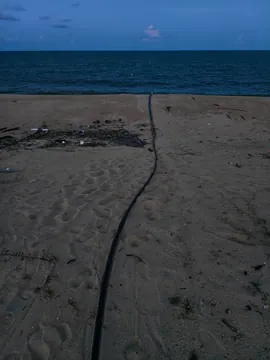
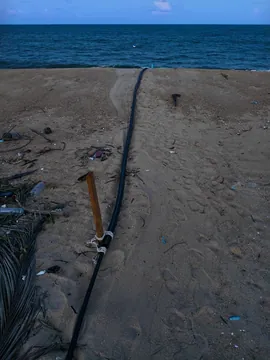
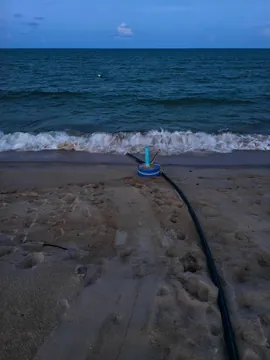
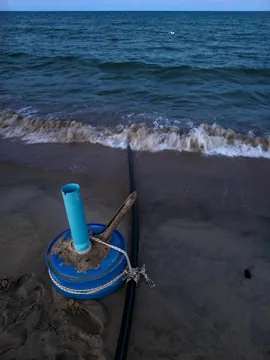
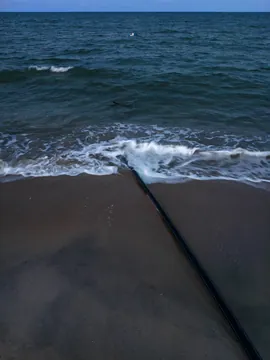
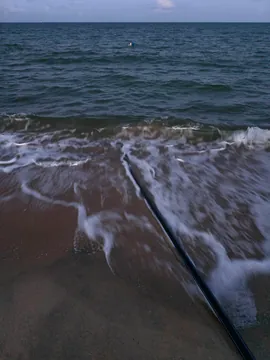
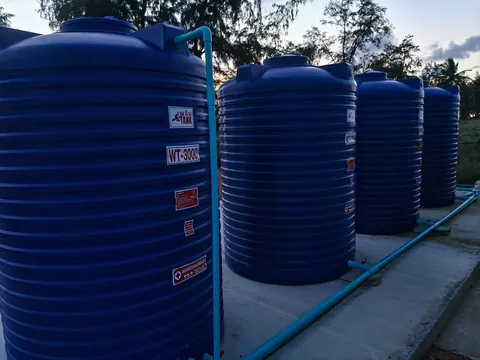
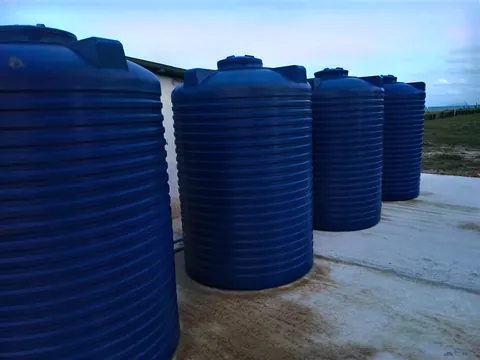
Swipe or scroll sideways for more photos.
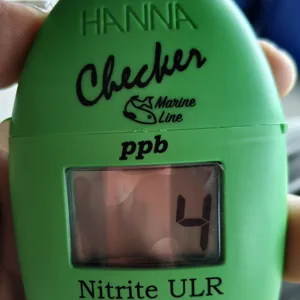
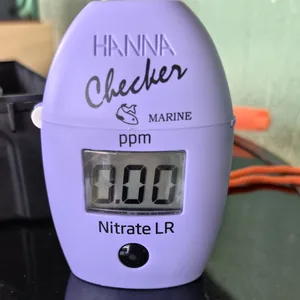
Single readings with our own meters, not a lab test. Meter specifications: HI764, HI781.
Live Ulva (sea lettuce) for marine research (coming soon)
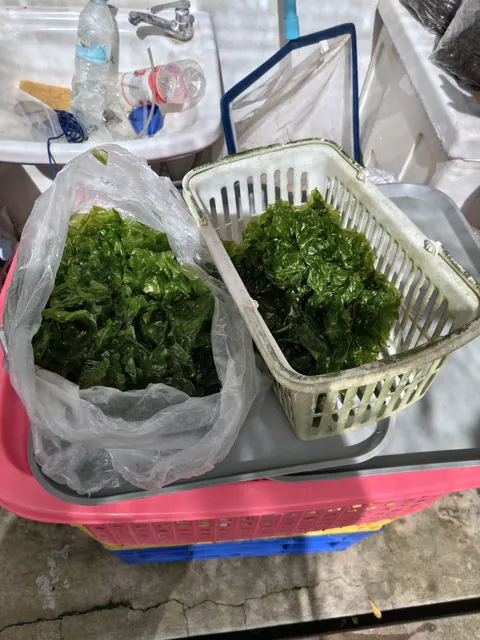
Left: grown under LED light, in the shade. Right: grown in the sun, under 80% shade mesh.
Contact: support@clearevo.com
Full disclosure: this post - and any code or tool it describes - was co-authored with Claude (Anthropic’s AI, via Claude Code). I directed, guided and reviewed. I don’t want to pretend otherwise.